This condition includes heart attacks and unstable angina. It often causes chest pain, shortness of breath, or nausea. Prompt evaluation is critical. We help patients understand their risk and manage long-term recovery.
This condition affects blood flow from the heart to the body. It may cause fatigue, chest pain, or fainting. We evaluate valve function and guide timing for repair or replacement.
Arrhythmia refers to heartbeats that are too fast, too slow, or erratic. We identify the type, assess risk, and offer treatments ranging from medication to ablation or device therapy.
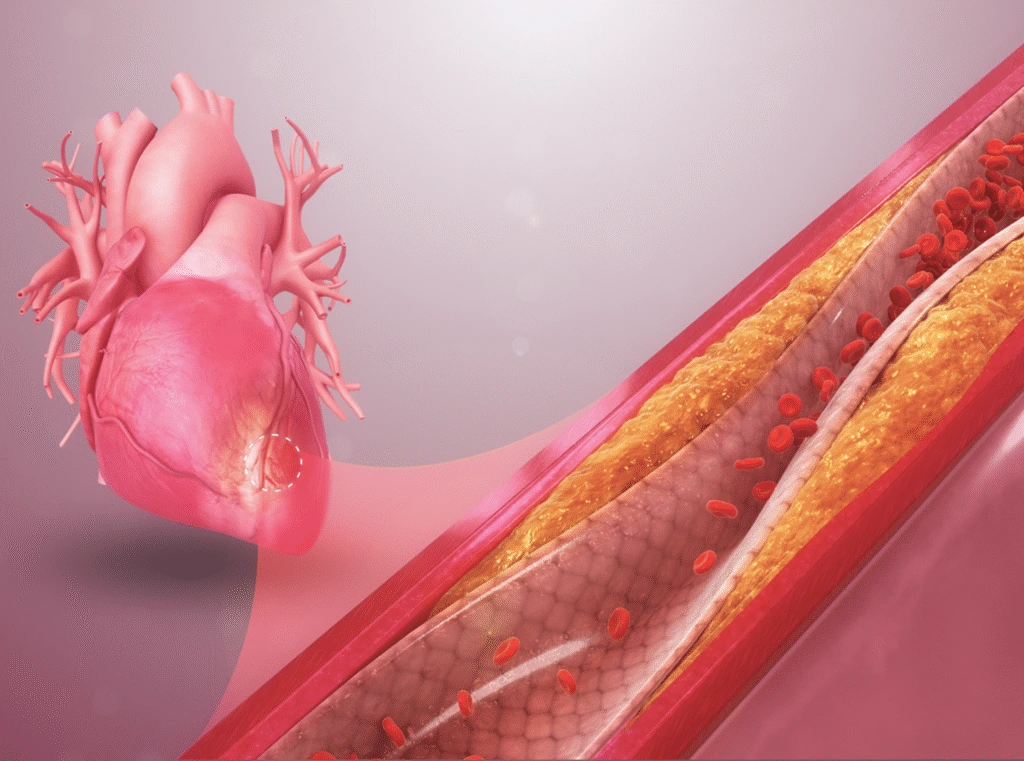
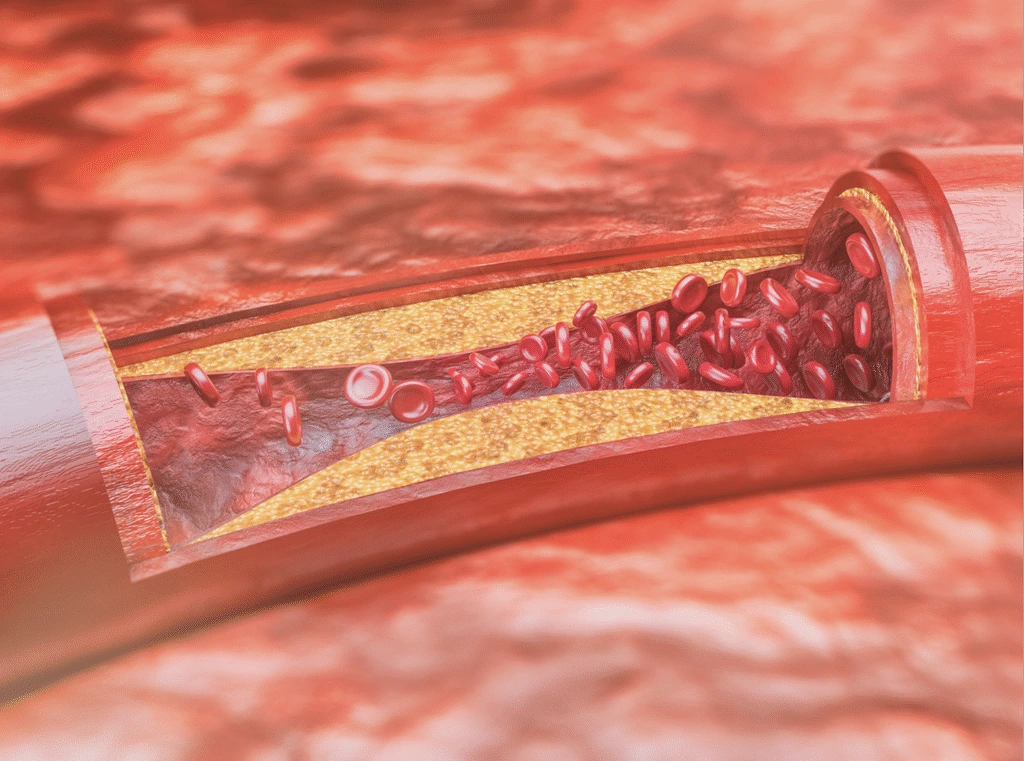
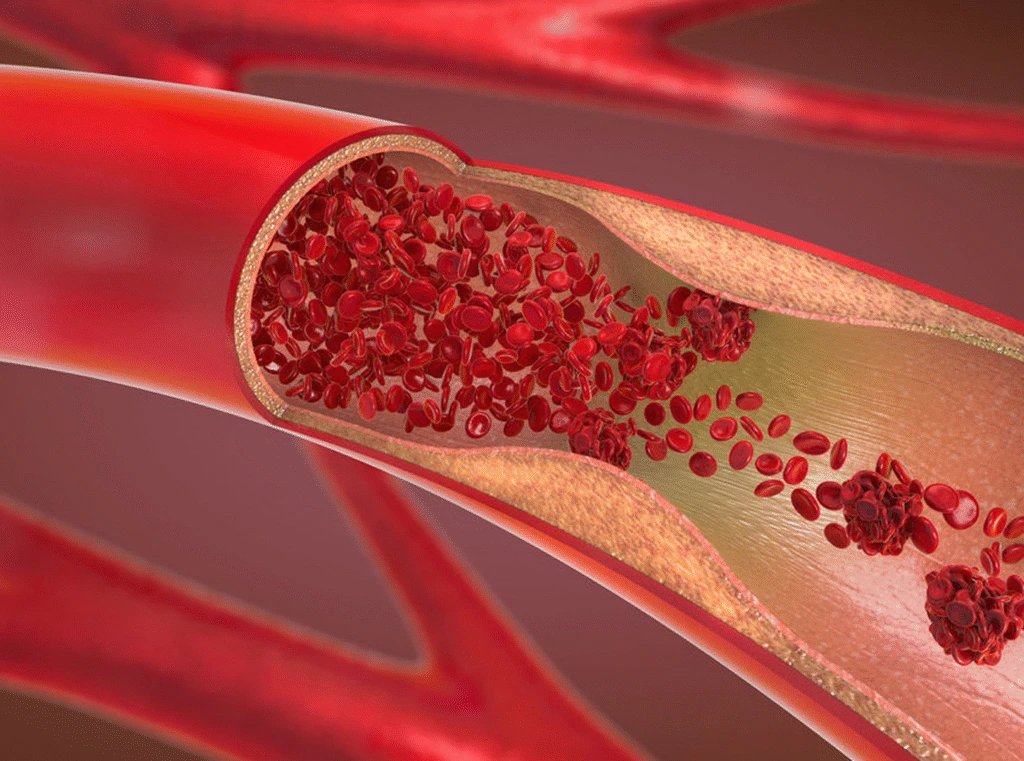
Atherosclerosis can restrict blood flow and lead to serious events like heart attack or stroke. It often develops silently over time. We assess your risk and guide treatment to protect your heart and circulation.
Atrial arrhythmias include a range of irregular rhythms originating in the atria. They may cause palpitations, fatigue, or shortness of breath. We use advanced diagnostics to guide treatment.
Atrial flutter often feels like a fast, steady heartbeat. It can increase stroke risk and may alternate with atrial fibrillation. We offer ablation and rhythm control strategies to restore balance.
AFib can cause fatigue, palpitations, or shortness of breath. It also increases stroke risk. We offer advanced diagnostics and treatment options to help you manage it with clarity and control.
Bradycardia can cause fatigue, dizziness, or fainting. It may result from aging, medication, or electrical system issues. We evaluate the cause and offer solutions like pacemaker therapy when needed.
Cardiomyopathy affects how the heart pumps blood. It can lead to fatigue, swelling, or arrhythmias. We identify the type and severity to guide treatment and protect long-term heart function.
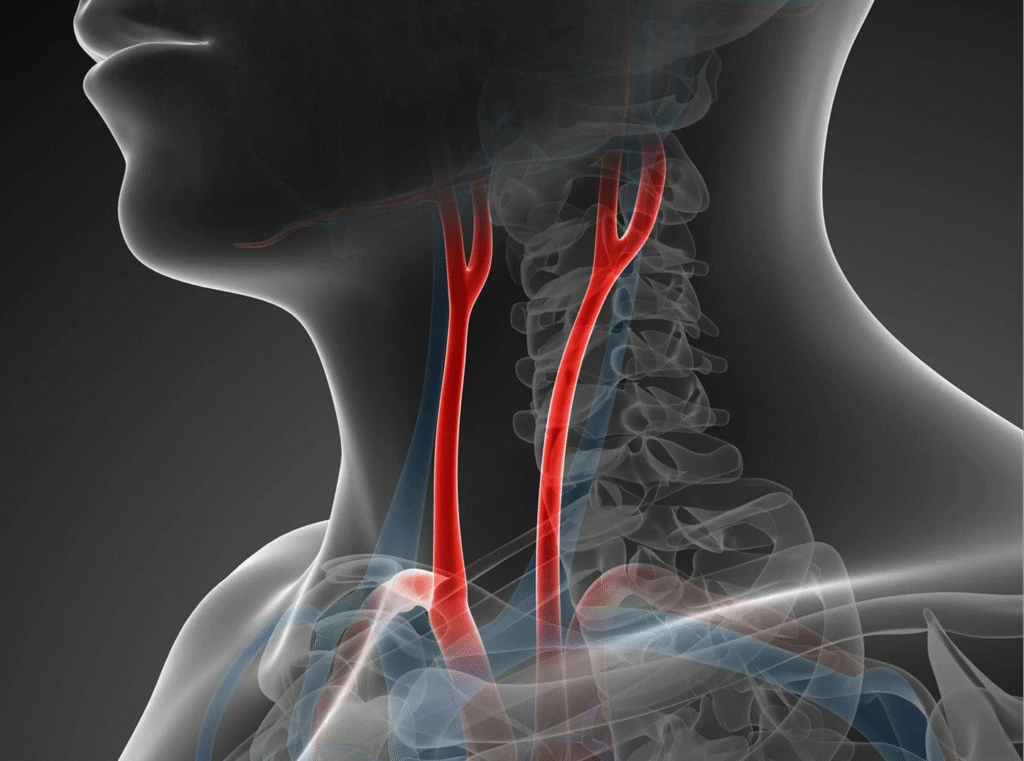
This condition increases the risk of stroke and may have no symptoms. We use imaging to detect blockages early and guide treatment to protect brain circulation.
Chest pain can signal a range of cardiac issues, from angina to arrhythmia. We evaluate symptoms urgently to rule out serious causes and provide clarity and care.
CHF occurs when the heart can’t pump effectively. It may cause swelling, shortness of breath, or weight gain. We help patients manage symptoms and improve quality of life through personalized care.
CAD is a leading cause of heart attacks. It may cause chest pain or no symptoms at all. We use imaging and stress testing to detect blockages and guide treatment before complications occur.
Heart failure can develop gradually or after a cardiac event. It may cause fatigue, breathlessness, or swelling. We help patients understand their condition and manage it with evidence-based care.
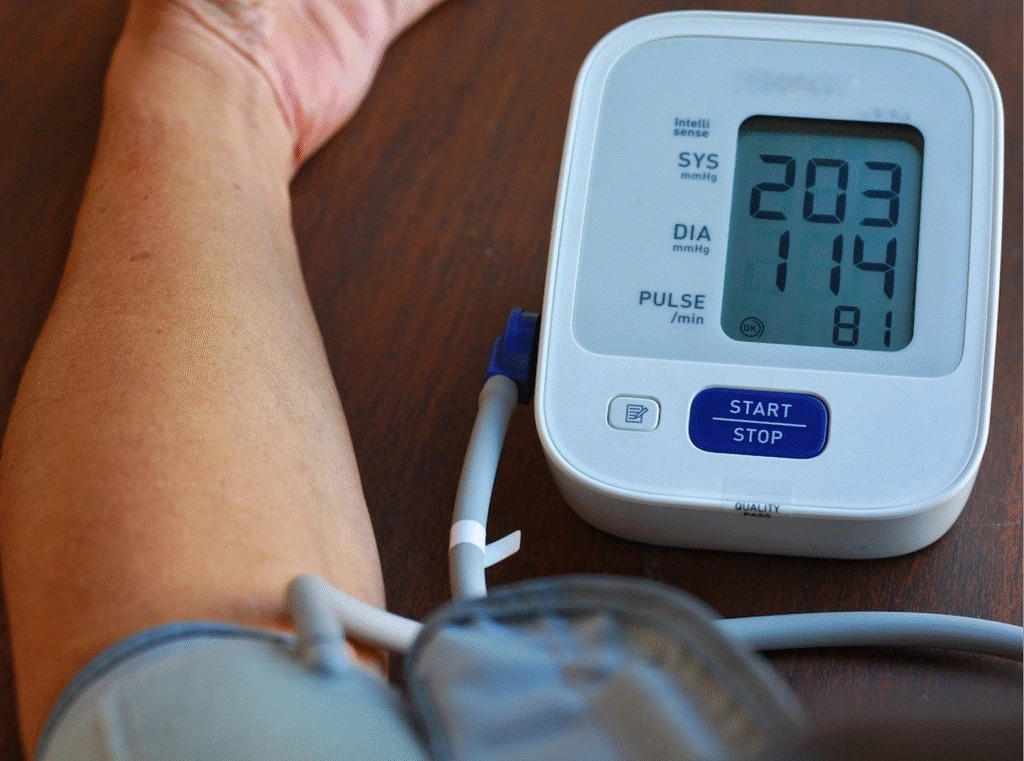
Hypertension often has no symptoms but increases the risk of stroke, heart attack, and kidney disease. We monitor your numbers, identify causes, and create a plan to protect your heart and vessels.
Often caused by infection or autoimmune response, myocarditis can lead to chest pain, fatigue, or arrhythmias. We diagnose with imaging and labs, then guide recovery and rhythm monitoring.
Pericarditis may cause sharp chest pain that worsens with breathing or lying down. We confirm diagnosis with imaging and labs, and manage inflammation to prevent complications.
PAD is caused by narrowed arteries, often in the legs. It may lead to pain when walking or slow-healing wounds. We diagnose PAD early and guide treatment to improve circulation and prevent complications.
Swelling may signal heart failure, venous disease, or other circulatory issues. We assess the underlying cause and create a plan to relieve symptoms and protect long-term health.
This condition can affect blood flow and strain the heart. Symptoms may include fatigue, shortness of breath, or chest discomfort. We evaluate valve function and offer treatment options based on severity.