
Cardiac Diagnostic Imaging
in Chandler, AZ


Advanced tools to understand your heart from the inside out
Table of Contents
What are Diagnostic Imaging Services?
Diagnostic imaging services are medical tests that create detailed pictures of the heart and blood
vessels. They show structure, blood flow and function to help doctors understand what is
happening inside the body.
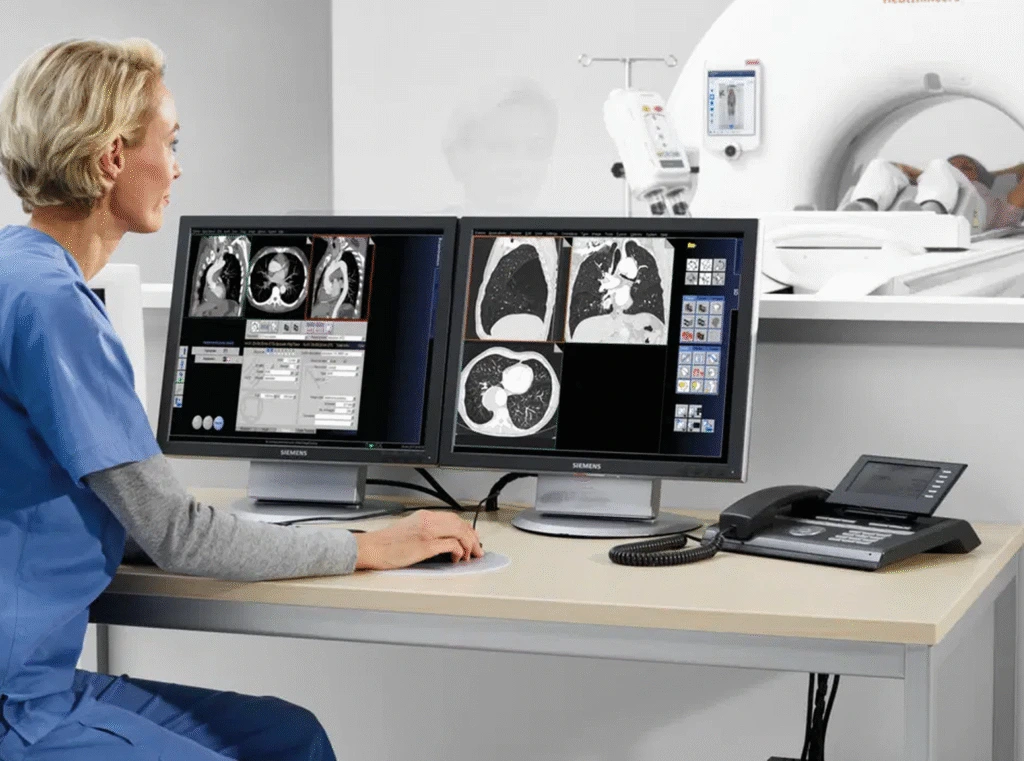
Cardiac Computed
Tomography (CT) Scan
Cross-sectional imaging of the heart and arteries
This noninvasive scan captures detailed views of your heart’s structure, revealing calcium buildup, vessel narrowing and anatomical changes. We use it to assess cardiovascular risk, investigate symptoms and guide early treatment decisions.
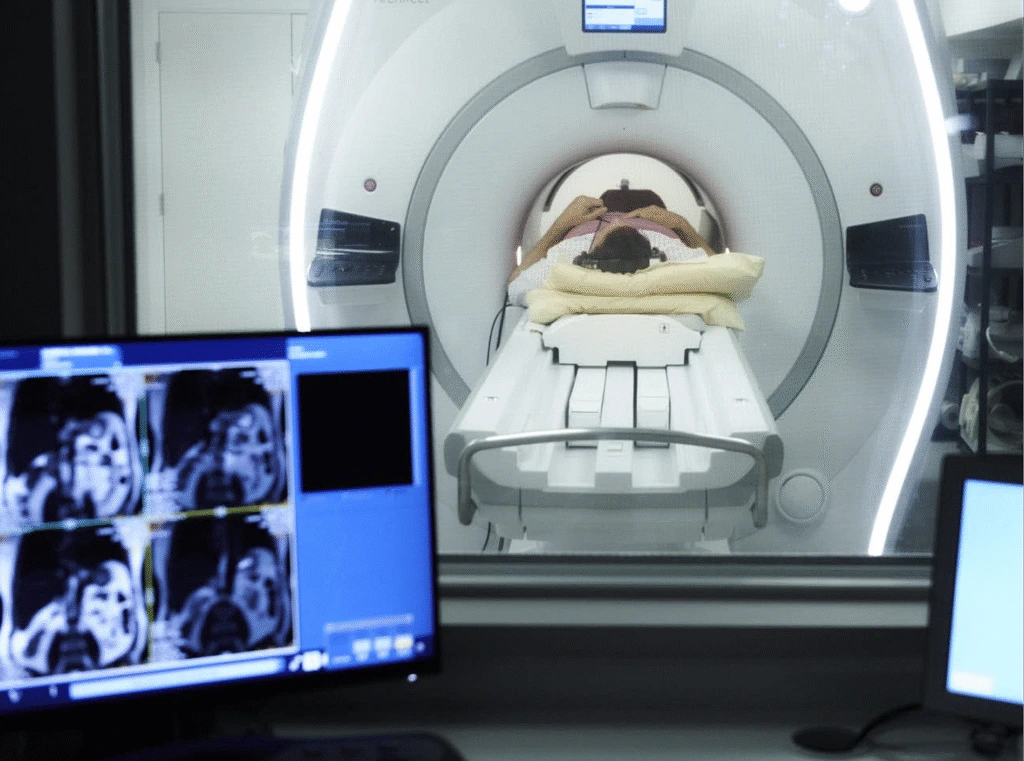
Cardiac Magnetic Resonance Imaging (MRI)
Weakened ability of the heart to pump blood
Cardiac MRI provides a precise look at inflammation, scarring and congenital abnormalities, helping us understand how your heart moves and functions. It’s ideal for diagnosing complex conditions and planning long-term care with confidence.

Cardiac Positron Emission Tomography (PET) Scan
Metabolic imaging to assess tissue viability
This scan shows how your heart uses oxygen and nutrients, revealing areas of damage or poor function that other tests may miss. We use it to evaluate tissue health, guide revascularization decisions and monitor disease progression over time.
CT Coronary Angiography
Care designed to lower your risk before problems start
This test provides a detailed view of blood flow through the heart’s vessels, helping us detect narrowing, plaque buildup and early signs of disease. We use it to evaluate chest pain, rule out serious conditions and prevent cardiac events.
Transthoracic
Echocardiogram
Ultrasound imaging of heart movement and valves
This study shows how your heart beats, pumps and handles blood flow, allowing us to assess valve function, chamber size and overall performance. It’s essential for diagnosing structural issues and guiding long-term cardiac care.

Electrocardiogram (EKG)
Real-time recording of electrical heart activity
An EKG captures your heart’s rhythm and rate in seconds, helping us detect arrhythmias, conduction problems and signs of heart damage. It’s a foundational tool for diagnosis, monitoring and treatment planning.
Extended Electrocardiographic Monitoring
Extended Electrocardiographic Monitoring
This test captures intermittent symptoms like palpitations, dizziness or fainting that may not appear during brief exams. We use it to uncover hidden patterns, confirm arrhythmias and guide rhythm-focused treatment.
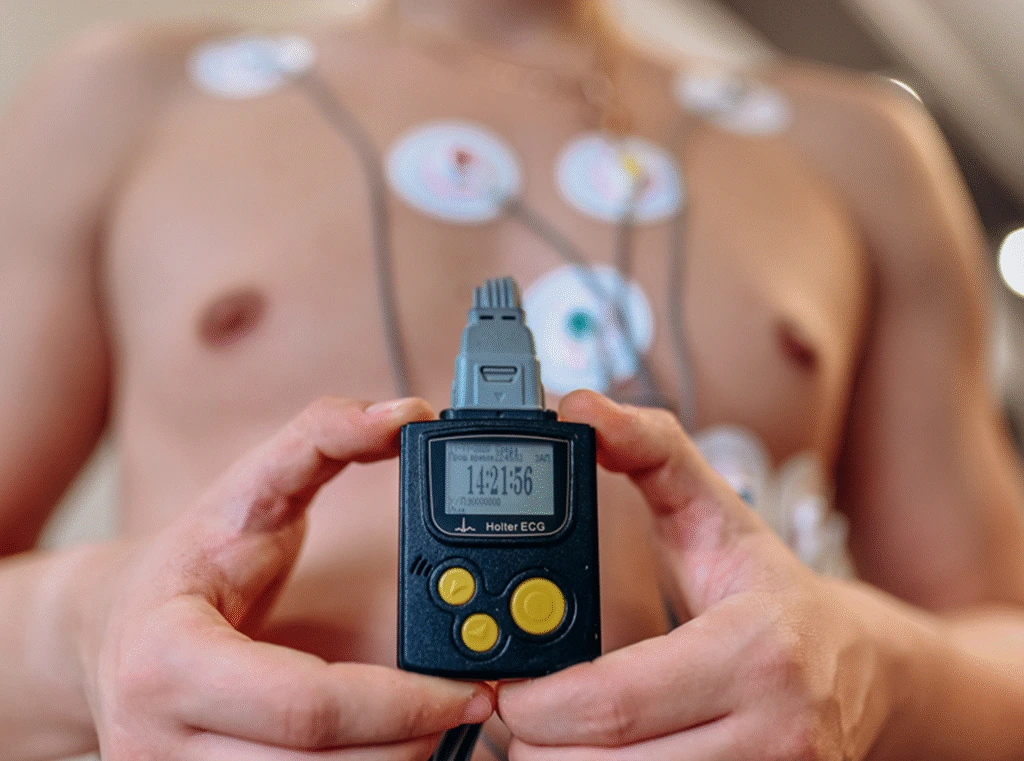
Holter Monitor
Portable device for continuous rhythm recording
A Holter monitor tracks your heartbeat for 24 to 48 hours while you go about daily life, helping us detect irregular rhythms and correlate symptoms with activity. It’s essential for diagnosing episodic cardiac events.
Multigated Acquisition (MUGA) Scan
Nuclear scan to measure heart pumping efficiency
MUGA provides precise data on how well your heart ejects blood with each beat, helping us monitor heart failure, assess chemotherapy impact and guide treatment adjustments. It’s especially useful when echo results are unclear.
Pharmacological Nuclear Stress Test
Simulated stress test using medication
This test evaluates blood flow and heart function under strain without requiring physical exercise, making it ideal for patients with mobility or respiratory limitations. We use it to detect ischemia and guide cardiac care safely.
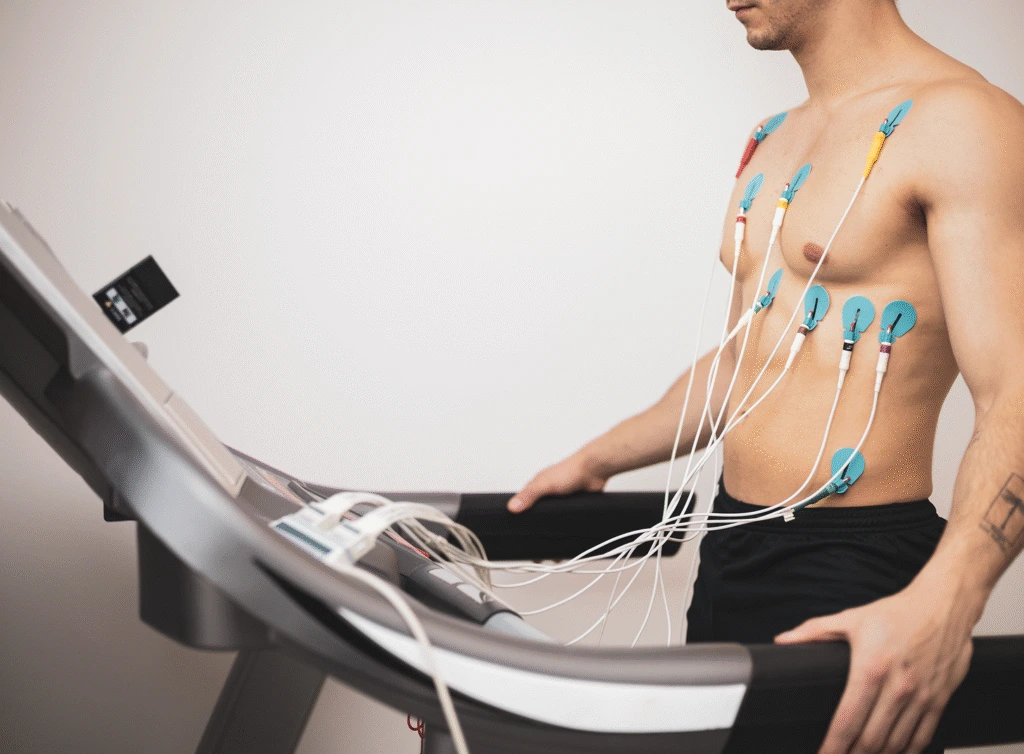
Treadmill Exercise
Stress Test
Simulated stress test using medication
This test evaluates blood flow and heart function under strain without requiring physical exercise, making it ideal for patients with mobility or respiratory limitations. We use it to detect ischemia and guide cardiac care safely.
Vascular Doppler
Ultrasound
Imaging of blood flow in limbs and vessels
This test uses sound waves to detect clots, narrowing and poor circulation in real time, helping us evaluate swelling, pain or stroke risk. It’s essential for diagnosing vascular conditions that affect circulation beyond the heart.
When your heart needs
direction, expert care
starts with a conversation
direction, expert care
starts with a conversation
Let’s take the next step toward answers that make sense