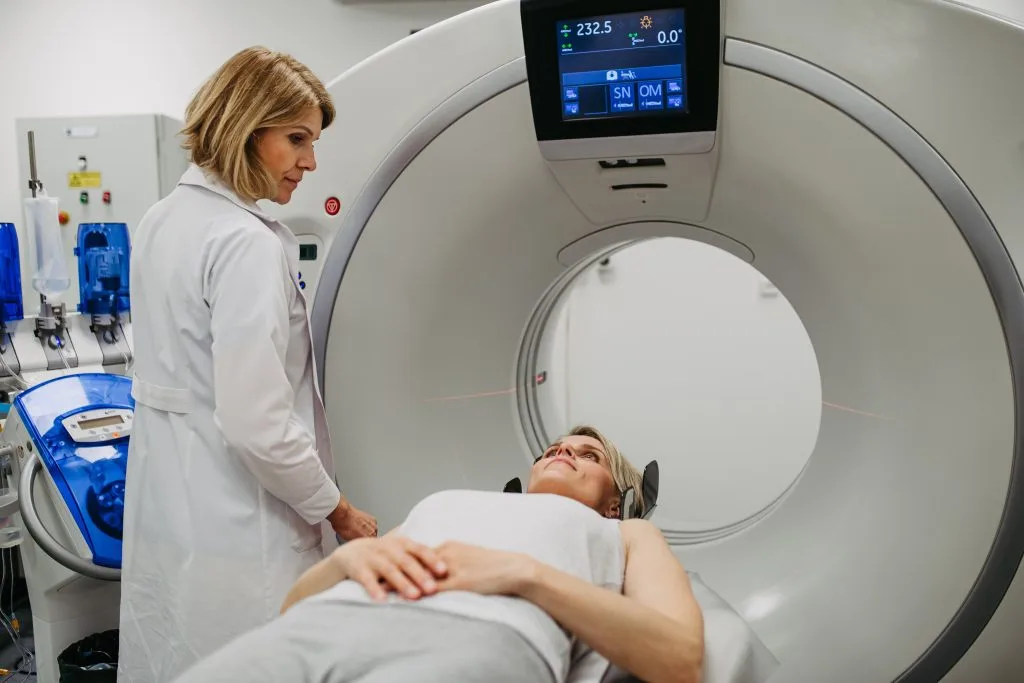
To prepare for a cardiac CT scan, you should follow specific instructions regarding diet, medications, and what to bring on the day of your appointment. Most importantly, avoid caffeine for 24 hours and fast for several hours before the scan. At Heart & Rhythm Solutions, you will receive clear guidance to help ensure the most accurate images of your heart.
A cardiac computed tomography (CT) scan is a non-invasive diagnostic tool that provides detailed, three-dimensional images of your heart and coronary arteries. At Heart & Rhythm Solutions, Dr. Himal Shah uses this advanced imaging to diagnose and monitor various heart conditions, including coronary artery disease, atherosclerosis, and valve problems.
The main goal of preparation is to ensure your heart rate is slow and steady during the scan, allowing the CT scanner to capture clear, motion-free pictures. Preparation typically begins 24-48 hours before your scheduled scan at our Chandler location. By following these steps, you play an active role in the success of your diagnostic process. Our team will guide you through every step, ensuring you feel confident and informed before your appointment.
Before your cardiac CT scan, providing a complete and accurate medical history helps ensure your safety and allows us to tailor the scan to your specific health needs. Take time to gather comprehensive information about your health history, as our team will need to know about several key areas.
Essential medical information includes:
Previous heart procedures or surgeries
Current cardiac symptoms (chest pain, shortness of breath, palpitations)
History of diagnosed heart conditions, including atrial arrhythmia, heart failure, or valve disease
Previous cardiac imaging results (echocardiograms, stress tests, catheterization)
Dates of diagnosis and treatments received
Critical Safety Information:
Allergies: Inform us of any allergies, particularly to iodine or contrast material. Most cardiac CT scans use iodinated contrast dye injected through an IV. If you’ve had reactions like hives, itching, or difficulty breathing from contrast dye, you must let us know.
Kidney Function: Your kidneys filter the contrast dye from your body. If you have kidney disease, renal failure, or impaired kidney function, we need recent blood test results (specifically creatinine levels) to confirm your kidneys can safely process the contrast agent. Bring any recent kidney function test results.
Pregnancy and Breastfeeding: If you are pregnant or might be pregnant, inform our staff immediately. CT scans involve radiation and are generally avoided during pregnancy unless absolutely necessary. Breastfeeding mothers should discuss protocols with our team – you may need to pump and store milk before the scan and wait 24-48 hours after the scan before resuming breastfeeding.
Implanted Devices: If you have a pacemaker, implantable cardioverter-defibrillator (ICD), metal heart valve, or other metallic implants in your chest or upper body, notify the scheduling team when booking your appointment. While most modern devices are CT-compatible, we need this information to ensure safety and adjust scan settings appropriately.
What you eat and drink in the hours before your cardiac CT scan significantly impacts image quality. These guidelines keep your heart rate low and your body prepared for the procedure.
You’ll need to fast from solid foods for 4-6 hours before your scheduled appointment. This fasting serves two purposes: it prevents an increase in heart rate due to digestion and provides safety in case of an allergic reaction to the contrast dye.
During the fasting period, you may drink clear liquids up to 2 hours before your appointment. Staying hydrated helps veins be more accessible for the IV line and assists the kidneys in flushing contrast dye after the procedure.
Acceptable Clear Liquids:
Water (best choice)
Plain tea (without milk, cream, or sugar)
Clear broth
Apple juice
Avoid These Liquids and Foods:
Milk and creamers
Orange juice or any juice with pulp
Sodas (especially caffeinated ones)
Alcohol
Black coffee (due to caffeine)
All solid foods
This is one of the most critical preparation steps. Avoid all forms of caffeine for 24 hours and all tobacco/nicotine for at least 4-12 hours before your scan. These substances directly interfere with achieving a slow, steady heart rate needed for clear images.
Sources of Caffeine to Eliminate:
Coffee (including decaf, which contains small amounts)
Tea (black, green, and white teas)
Sodas (colas, root beer, Mountain Dew)
Energy drinks and shots
Chocolate (especially dark chocolate)
Caffeine pills (Excedrin, NoDoz)
Pre-workout supplements
Some headache and cold remedies
Sources of Nicotine to Avoid:
Cigarettes, cigars, and pipes
Vaping and e-cigarettes
Chewing tobacco
Nicotine patches, gums, and lozenges
Caffeine blocks adenosine receptors that normally help slow your heart rate, leading to increased heart rate and sometimes palpitations. Nicotine stimulates the release of adrenaline, causing rapid increases in both heart rate and blood pressure while constricting blood vessels.
During scanning, your heart rate should ideally stay below 60-65 beats per minute. These substances can increase your heart rate by 10-20 beats per minute, resulting in motion blur, as if photographing a moving object with a slow camera. Blurred images cannot accurately show blockages, potentially requiring repeat scans or more invasive tests.
Managing your medications before a cardiac CT scan requires careful coordination. Never stop or change any medication without specific instructions from Dr. Shah or our clinical team. Bring a complete, typed list of all medications with exact dosages to your appointment.
Continue Taking:
Beta-blockers (metoprolol, atenolol) and calcium channel blockers (diltiazem) – these actually help by keeping heart rate low
Blood thinners generally don’t need stopping, unlike for invasive procedures
High blood pressure medications
Special Considerations:
Diabetes Medications: Metformin (Glucophage) often needs to be paused on scan day and for 48 hours afterward as a kidney precaution. Bring glucose monitoring supplies. Other diabetes medications and insulin may require dose adjustments during fasting.
Diuretics (Water Pills): May need to skip morning dose to prevent dehydration
Erectile Dysfunction Medications: Sildenafil (Viagra), tadalafil (Cialis), and vardenafil (Levitra) cannot be taken within specific windows before the scan, especially if nitroglycerin might be used
Your Medication List Should Include:
All prescription medications with dosages
Over-the-counter drugs and supplements
Vitamins and herbal remedies
Recently discontinued medications
Timing of last doses for heart medications
If your heart rate remains high on scan day, we may give you additional fast-acting beta-blocker medication at our Chandler office, either orally or through IV.
Planning your clothing and gathering necessary items ensures a smooth, efficient visit to Heart & Rhythm Solutions.
Clothing Guidelines: Choose comfortable, loose-fitting clothing without any metal components. Metal interferes with X-rays and creates artifacts that obscure heart structures.
Wear:
Cotton T-shirts or sweatshirts
Athletic pants with elastic waistbands
Sports bras without underwire
Slip-on shoes (may need removal)
Avoid:
Jeans with zippers and metal buttons
Shirts with snaps or metal decorations
Underwire bras
Clothing with metallic threads
Remove All Metal:
Jewelry (necklaces, earrings, watches)
Body piercings (if safely removable)
Hairpins and hair clips
Removable dental work
Eyeglasses
Hearing aids
Essential Items to Bring:
Government-issued photo ID
Insurance cards
Current medication list with dosages
Physician’s order (if given paper order)
Previous cardiac test results
Recent lab results showing kidney function
Glucose monitor if diabetic
Contact information for the primary physician
List of cardiac symptoms and duration
Reading glasses for paperwork
Consider bringing a supportive friend or family member. While you can drive yourself home after the scan, some patients prefer having support. Our facility at 1100 S Dobson Rd provides secure storage for personal belongings during your scan.
48 Hours Before:
Confirm appointment time and location at our Chandler office
Review special instructions provided
Arrange transportation if sedation might be used
24 Hours Before:
Begin caffeine-free period – stop all coffee, tea, soda, chocolate, energy drinks
Hydrate well with water
Prepare a complete medication list
Gather previous cardiac test results
Plan meals with caffeine-free options
Day of Scan:
Take regular medications unless instructed otherwise (with a small sip of water)
Stop eating solid food 4-6 hours before your appointment
Stop clear liquids 2 hours before
Continue avoiding all caffeine and nicotine
Wear appropriate metal-free clothing
Don’t apply lotions, powders, or oils to the chest area
Remove all jewelry and metal items
Gather ID, insurance card, and medication list
Arrive 15-30 minutes early for registration
Allow plenty of travel time to avoid stress
Medical Information Checklist:
Complete medication list with dosages
Allergy information (especially contrast reactions)
Recent kidney function results
Previous cardiac procedures/surgeries
Current symptoms list
Primary physician contact
Understanding how to prepare for a cardiac CT Scan is essential for obtaining accurate diagnostic results at Heart & Rhythm Solutions. By carefully following dietary restrictions, managing medications appropriately, and arriving well-prepared with necessary medical information, you contribute directly to the success of your cardiac imaging.
Remember the key preparation steps: avoid all caffeine for 24 hours, fast appropriately, wear metal-free clothing, and bring your complete medication list. Our team is always available to answer questions and provide support throughout the process.
For more information about cardiac imaging and other services, visit our diagnostic imaging or patient information pages.

About the Author
DR. HIMAL SHAH
Her approach combines advanced diagnostics with clear communication, helping each patient understand their cardiac risks and move forward with a treatment plan that makes sense.